
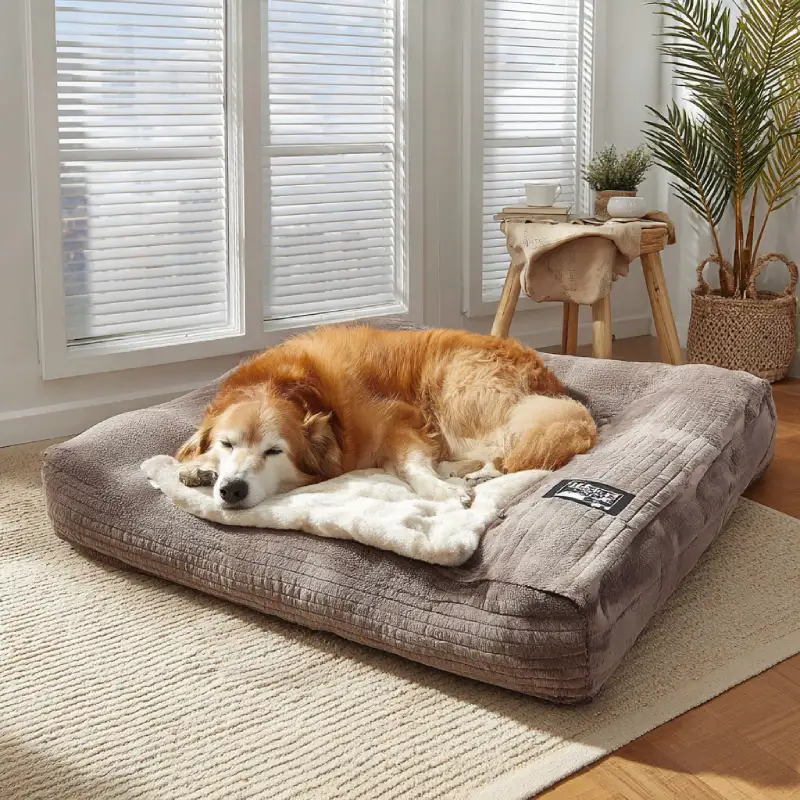
Introduction: Importance of a Good Bed for Senior Dogs
Providing the right bed for senior dogs is essential for their health and comfort. As dogs age, many experience joint pain, arthritis, or reduced mobility, which makes a supportive sleeping surface crucial. The best bed for senior dogs helps relieve pressure points, aligns their spine properly, and ensures they get deep, restful sleep. Beyond physical support, a comfortable bed gives your senior dog a safe and secure space, helping to reduce anxiety and promote overall senior dog comfort.
How Aging Affects Dogs’ Sleep and Comfort
Aging affects not only a dog’s body but also their sleep and comfort levels. Senior dogs may sleep more often but can struggle to achieve deep, restorative sleep due to stiffness or pain. Temperature sensitivity also increases, so they may feel cold or overheated more easily. A supportive bed with memory foam or extra padding can help maintain their body temperature while providing relief from sore joints. Choosing the best bed for senior dogs significantly improves senior dog comfort and overall well-being.
Understanding Senior Dog Needs
As dogs age, their physical and behavioral needs change, making it essential to provide a bed that supports both comfort and health. Older dogs often face challenges like joint pain, reduced mobility, stiffness, and changes in sleep patterns. Choosing the best bed for senior dogs helps alleviate discomfort, supports proper posture, and improves overall well-being For more information on helping senior dogs who struggle with restlessness, check out My Senior Dog Is Pacing and Won’t Lie Down . A bed that meets these needs can significantly enhance a senior dog’s quality of life by providing a safe, restful, and supportive place to sleep.
Joint and Mobility Issues
Joint pain and decreased mobility are among the most common issues affecting senior dogs. Conditions such as arthritis, hip dysplasia, or general stiffness can make lying on hard surfaces painful. The best bed for senior dogs, especially orthopedic or memory foam options, evenly distributes body weight, relieving pressure on joints and supporting spinal alignment. This allows dogs to rest comfortably, get in and out of bed more easily, and maintain muscle tone, which is essential for staying active. Proper joint support through a bed not only improves comfort but can also reduce the risk of injuries caused by awkward movements or long periods of standing or lying down.
Behavioral Changes in Sleep Patterns
Aging can alter a dog’s sleep habits. Some senior dogs sleep more frequently, while others wake repeatedly due to discomfort, anxiety, or cognitive changes. The best bed for senior dogs provides a sense of security and calm, helping reduce restlessness and encouraging longer, more restorative sleep. Beds with raised edges or enclosed designs can be particularly comforting for dogs who feel anxious or insecure, promoting both physical comfort and mental well-being. By addressing these behavioral changes, owners can ensure their senior dogs get the restful sleep they need to remain healthy and happy.
Temperature Sensitivity
Older dogs often become more sensitive to temperature changes. They may feel colder in winter or overheated in summer due to slower metabolism or reduced circulation. A bed that retains warmth or allows cooling, such as memory foam with insulating layers, is ideal for maintaining comfort. Providing the best bed for senior dogs that considers temperature regulation ensures that your dog stays cozy, reduces joint stiffness, and prevents additional stress caused by discomfort from extreme temperatures.
Sensory Considerations (hearing, vision)
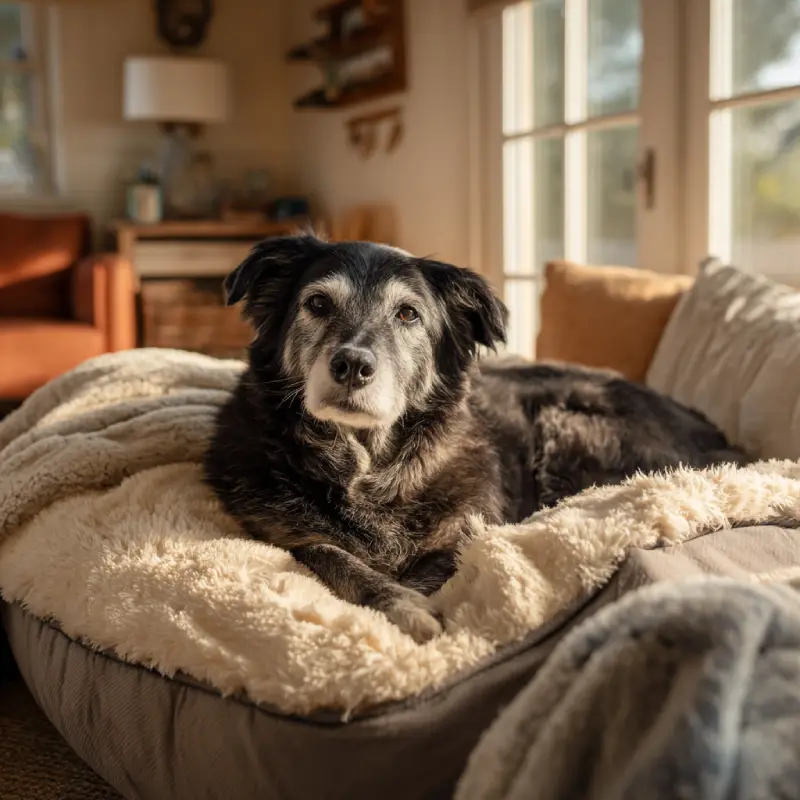
Many senior dogs experience a decline in senses like vision or hearing, which can affect how safe and comfortable they feel. Placing a bed in a quiet, low-traffic area helps minimize stress, while soft, supportive bedding makes it easier for dogs with sensory limitations to access and settle comfortably. The best bed for senior dogs takes these sensory factors into account, creating a safe environment that enhances both physical comfort and emotional security.
Types of Beds for Senior Dogs
Choosing the best bed for senior dogs requires understanding the different types of beds available and how each can meet the unique needs of older dogs. A bed that supports joints, provides comfort, and accommodates mobility issues can make a huge difference in your dog’s daily life. Senior dogs often prefer beds that combine softness with support, ensuring they can rest without putting extra strain on aging joints.
Orthopedic Beds
Orthopedic beds are specifically designed to support senior dogs’ joints and spine. They typically use high-density foam or memory foam to evenly distribute weight, which relieves pressure points and reduces discomfort from arthritis or hip dysplasia. The best bed for senior dogs is often orthopedic because it encourages longer, more restful sleep and helps maintain mobility by reducing pain. For dogs with severe joint issues, these beds are invaluable in promoting comfort and overall health. You can also check out Top 10 Senior Dog Supplements to Improve Mobility, Memory
Memory Foam Beds
Memory foam beds mold to a dog’s body, providing personalized support. This type of bed is especially helpful for senior dogs who experience stiffness or soreness, as it cushions vulnerable areas like hips, elbows, and shoulders. A memory foam bed is considered one of the most effective options for the best bed for senior dogs, combining softness with firm support to improve sleep quality and reduce nighttime restlessness.
Raised or Elevated Beds
Raised beds are slightly off the ground, which can help keep senior dogs cooler in hot weather and reduce exposure to cold floors in winter. They are also easier to access for dogs with limited mobility, as they reduce the effort required to climb onto the bed. For some older dogs, a raised bed may be considered the best bed for senior dogs because it combines support, comfort, and accessibility in a single solution.
Donut and Nesting Beds
Donut or nesting beds have raised edges that create a sense of security and comfort. Many senior dogs enjoy curling up in these beds because the surrounding walls support their body and provide a cozy resting space. While they may not offer as much joint support as orthopedic beds, they can still be an excellent choice for smaller senior dogs or dogs who prefer a snug, enclosed space. For senior dogs who pace or feel anxious, check out My Senior Dog Is Pacing and Won’t Lie Down for tips to improve rest and comfort.
Heated and Cooling Beds
Temperature-sensitive senior dogs benefit from heated or cooling beds. Heated beds provide warmth for dogs who get cold easily, while cooling beds help prevent overheating. Incorporating temperature control into your dog’s resting area is an important consideration when selecting the best bed for senior dogs, as it helps maintain comfort and supports overall health.
Choosing the Right Bed for Your Senior Dog
Selecting the best bed for senior dogs involves more than just picking a soft cushion. Each dog has unique needs depending on age, size, health conditions, and personal preferences. Considering these factors ensures that your senior dog gets the comfort, support, and security they need for restful sleep and overall well-being.
Consider Your Dog’s Health and Mobility
When choosing a bed, assess your dog’s mobility and any health issues like arthritis, hip dysplasia, or joint stiffness. Dogs with mobility challenges may benefit from orthopedic or memory foam beds that relieve pressure points and support proper spinal alignment. Raised or low-entry beds make it easier for senior dogs to get in and out without straining themselves. Selecting the best bed for senior dogs based on their physical condition can significantly improve their comfort and quality of life.
Size and Support Matter
The bed should be appropriately sized for your dog. Too small, and it won’t provide adequate support; too large, and it may feel insecure. Beds that offer firm support with some softness help distribute weight evenly, reducing stress on joints and muscles. The best bed for senior dogs balances comfort with structural support, encouraging restful sleep and maintaining joint health.
Material and Ease of Cleaning
Senior dogs may have accidents or drool more frequently, so choosing a bed with removable, washable covers is practical. Materials should be durable, hypoallergenic, and soft on sensitive skin. Memory foam or orthopedic beds often come with protective covers that are easy to clean, making them an ideal choice for the best bed for senior dogs.
Temperature and Climate Considerations
Older dogs often have difficulty regulating body temperature. Heated beds can provide warmth for dogs that get cold easily, while cooling beds or breathable fabrics help prevent overheating. Selecting a bed that accommodates your dog’s temperature needs ensures they remain comfortable year-round. A bed that addresses thermal comfort is an essential aspect of the best bed for senior dogs.
Behavioral Preferences
Some senior dogs prefer enclosed spaces like donut or nesting beds that offer a sense of security, while others prefer open flat beds where they can stretch fully. Observing your dog’s resting habits can help determine the ideal bed type.
Environmental and Placement Tips
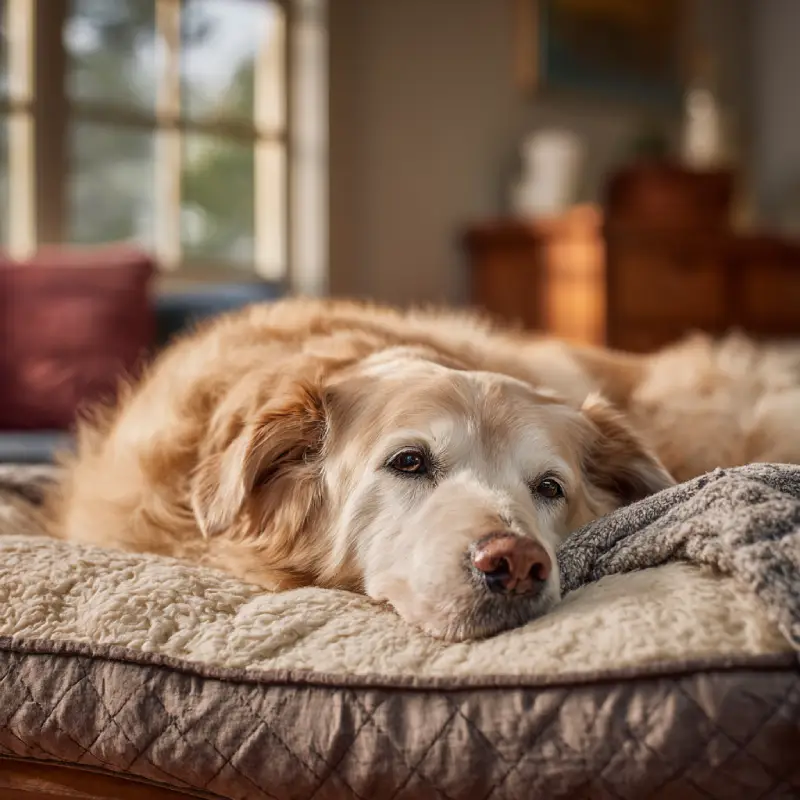
Creating the right environment for a senior dog is just as important as choosing the best bed for senior dogs. Proper placement, room conditions, and minimizing stressors can significantly enhance your dog’s comfort and encourage better sleep. A thoughtful setup ensures that older dogs can rest safely and comfortably, reducing the risk of discomfort or injury.
Ideal Room Temperature and Lighting
Senior dogs are often more sensitive to temperature changes. Keeping the room at a comfortable, moderate temperature helps prevent them from feeling too cold or too hot. Soft, natural lighting during the day and dim lighting at night can support their circadian rhythm, encouraging restful sleep. Selecting the best bed for senior dogs in a well-lit, temperature-controlled room enhances overall comfort and promotes better health.
Avoiding Drafts and Noise
Older dogs can be easily disturbed by drafts, loud noises, or sudden temperature changes. Positioning the bed away from windows, doors, or air vents can prevent discomfort caused by cold drafts or excessive heat. Minimizing background noise ensures that senior dogs can sleep undisturbed. A quiet, stable environment paired with the best bed for senior dogs helps reduce anxiety and promotes deep, restorative sleep.
Bed Placement for Safety and Mobility
Bed placement should consider both accessibility and safety. Ensure the bed is on a flat, non-slippery surface to prevent falls or injuries, and avoid areas with heavy foot traffic or obstacles that could cause tripping. For dogs with mobility issues, low-entry or raised beds near frequently used areas can improve ease of access. Observing your dog’s daily routines can help determine the most suitable location. For tips on keeping senior dogs comfortable and clean, check out Grooming for Senior Dogs , which also emphasizes overall well-being. Choosing the best bed for senior dogs and placing it in a safe, comfortable spot ensures both physical and emotional health.
Health and Hygiene Considerations
Maintaining proper hygiene and health is essential when selecting the best bed for senior dogs. A clean and well-maintained bed not only improves comfort but also prevents infections, skin issues, and other health problems that can affect older dogs. Paying attention to cleaning routines, materials, and allergen control ensures that senior dogs remain healthy and enjoy restful sleep.
Cleaning and Maintenance
Regular cleaning is critical to keeping your senior dog’s bed sanitary. Removable, machine-washable covers are ideal for easy maintenance. For beds without removable covers, consider vacuuming and spot-cleaning frequently to remove dirt, hair, and dander. Choosing the best bed for senior dogs with durable, easy-to-clean materials simplifies this process and ensures a hygienic resting space for your pet.
Preventing Bed-related Skin Issues
Older dogs often have more sensitive skin, which makes them prone to irritation or pressure sores from prolonged lying. Selecting a bed with soft, breathable, and hypoallergenic materials can prevent skin problems. Memory foam or orthopedic beds reduce pressure points, which helps minimize the risk of sores or discomfort. Properly supporting your dog’s body while they rest contributes to overall health and well-being.
Managing Odor and Allergens
Senior dogs may produce more dander, and older beds can accumulate odor over time. Using washable covers, odor-resistant materials, and occasional deodorizing sprays helps maintain a fresh and clean sleeping area. Regular cleaning paired with proper ventilation in the room ensures that your dog’s environment is comfortable and safe. Choosing the best bed for senior dogs with antimicrobial or allergen-resistant properties can further enhance hygiene and reduce allergy risks for both your dog and household members.
Behavioral and Training Tips
Helping senior dogs adjust to a new bed requires patience and understanding. Even when you choose the best bed for senior dogs, some older dogs may be hesitant to use it at first. By combining proper placement, encouragement, and positive reinforcement, you can ensure that your senior dog fully benefits from their new comfortable resting space.
Encouraging Use of a New Bed
Introducing a new bed to a senior dog can take time. Place the bed in a familiar, quiet area and allow your dog to explore it at their own pace. Adding familiar blankets or toys can make the bed more inviting. Using treats or praise when your dog lies on the bed helps reinforce positive behavior. Selecting the best bed for senior dogs with comfort and support already tailored to their needs makes this transition smoother and more appealing for your pet.
Recognizing Signs of Discomfort
Even with the right bed, senior dogs may show signs of discomfort, such as reluctance to lie down, frequent shifting, whining, or pacing. Observing your dog’s behavior can help you determine if the bed is suitable or if adjustments are needed. Beds that are too soft, too firm, or poorly placed may exacerbate joint or mobility issues. Choosing the best bed for senior dogs involves not only the design but also monitoring how your dog interacts with it over time to ensure proper comfort and support.
Adjusting Beds for Multiple Senior Dogs
If you have more than one senior dog, bed placement and selection become even more important. Ensure each dog has their own space to rest comfortably without feeling crowded. Some dogs prefer elevated beds while others enjoy nesting or orthopedic options. Providing multiple beds that meet each dog’s needs ensures harmony and prevents competition. Selecting the best bed for senior dogs for each individual helps maintain both physical comfort and emotional well-being in a multi-dog household.
Top Recommended Beds (Product Review Section)
Selecting the best bed for senior dogs can be overwhelming due to the wide variety of options available. This section highlights top choices, considering comfort, support, durability, and specific needs of senior dogs. Each type of bed has its advantages, and understanding these can help you make an informed decision.
Orthopedic Memory Foam Beds
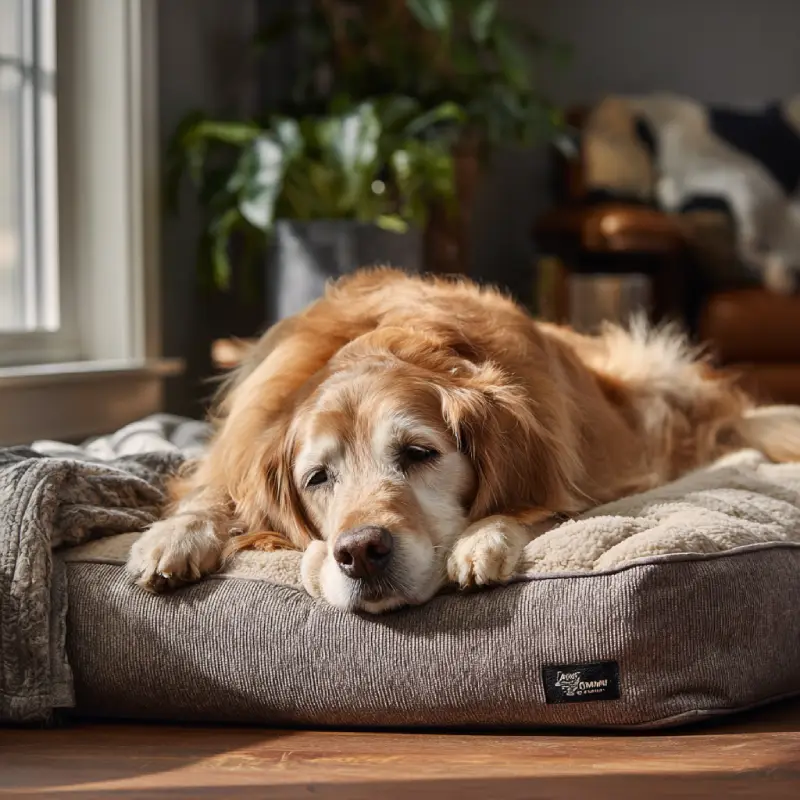
Orthopedic memory foam beds are often regarded as the best bed for senior dogs, especially for those with arthritis or joint stiffness. High-density foam provides firm support while conforming to the dog’s body, relieving pressure points and promoting proper spinal alignment. Many models come with removable, washable covers, making maintenance simple. This type of bed is highly recommended for older dogs who need extra support to rest comfortably.
Heated Beds for Cold-sensitive Dogs
Heated beds are ideal for senior dogs that are sensitive to cold, have reduced circulation, or experience stiffness in their joints. The gentle warmth helps soothe muscles and improves overall comfort. When choosing a heated bed, ensure that it has adjustable temperature settings and safety features. Heated beds are frequently considered one of the best beds for senior dogs during colder months, providing warmth and relaxation.
Eco-friendly and Sustainable Options
Eco-friendly beds are made from sustainable materials such as organic cotton, recycled foam, or hemp. These beds not only reduce environmental impact but also provide safe and non-toxic sleeping surfaces for your senior dog. Choosing an eco-friendly option ensures that your dog rests comfortably while minimizing exposure to chemicals, making it a responsible choice among the best beds for senior dogs.
Budget-friendly Alternatives
For pet owners on a budget, there are several affordable yet supportive bed options available. Look for beds with durable foam or padded surfaces that provide comfort without compromising joint support. While these may not have the advanced features of orthopedic or heated beds, many budget-friendly options still meet the basic requirements for senior dogs’ comfort and safety.
FAQs
How often should I replace my senior dog’s bed?
The lifespan of a bed depends on its material, quality, and how frequently it is used. For senior dogs, the best bed for senior dogs should maintain proper support and cushioning. On average, orthopedic or memory foam beds should be replaced every 3–5 years, or sooner if you notice sagging, torn covers, or reduced support. Regular inspection ensures your senior dog continues to rest comfortably and safely.
Can senior dogs adapt to heated beds?
Yes, most senior dogs can adapt to heated beds, especially if introduced gradually. Start by allowing your dog to explore the bed while it is turned off, then slowly turn on the heating function at a low temperature. The gentle warmth can help soothe aching joints and provide comfort. Heated beds are considered one of the best beds for senior dogs, particularly for those sensitive to cold or with arthritis. Always supervise the initial use to ensure your dog is comfortable and safe.
What if my dog refuses to use a new bed?
It’s common for senior dogs to be hesitant with new beds. Encourage use by placing the bed in a familiar area, adding favorite blankets or toys, and offering treats or praise when your dog lies on it. Observing your dog’s behavior can help you understand preferences, such as bed type, location, or texture. Choosing the best bed for senior dogs that matches your dog’s comfort needs, combined with patience and positive reinforcement, usually helps them adjust over time.
Conclusion
Choosing the best bed for senior dogs is more than just picking a soft cushion; it involves considering comfort, support, hygiene, and environmental factors. A well-chosen bed can greatly improve a senior dog’s quality of life, helping them sleep better, reduce joint pain, and feel secure in their resting space.
Recap of Key Considerations
When selecting the best bed for senior dogs, keep in mind:
- Joint and mobility support through orthopedic or memory foam designs.
- Temperature considerations, including heated or cooling options.
- Bed placement in a safe, quiet, and comfortable area.
- Hygiene and maintenance to prevent skin issues and odor.
- Behavioral preferences and gradual introduction for older dogs.
By evaluating these factors, pet owners can choose a bed that meets the physical and emotional needs of their senior dog.
How the Right Bed Improves Quality of Life
A supportive, comfortable bed promotes longer, more restful sleep, reduces stress, and encourages mobility in senior dogs. Proper rest directly impacts overall health, from reducing arthritis pain to improving mood and energy levels. For more expert guidance on selecting the perfect bed for your senior dog, you can visit RSPCA’s Advice on Dog Beds , which offers detailed tips on bed types, placement, and caring for older dogs. Choosing the best bed for senior dogs ensures they remain happy, healthy, and comfortable in their golden years.