
Introduction
Overview of Tooth Extractions in Dogs
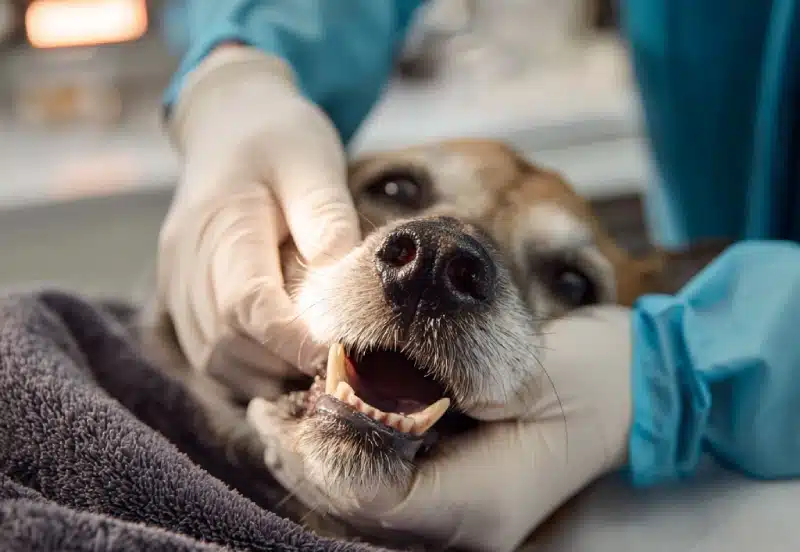
Senior dog tooth extraction recovery can be a delicate process that requires patience, attention, and the right care routine. Older dogs are more sensitive to surgery and healing, but with proper management, they can regain comfort and confidence quickly. Understanding the recovery stages, pain control, and feeding adjustments ensures your dog returns to a healthy, happy life.
It is common for senior dogs to have reduced appetite or difficulty eating after a tooth extraction. This can be due to pain, inflammation, or other underlying health issues. For more information on why senior dogs may not eat and how to support them, see Senior Dog Not Eating
For older dogs, a senior dog tooth extraction involves more than simply removing the problematic tooth. Age-related factors, such as slower healing, fragile bones, and underlying health issues, make the procedure and post-operative care particularly important. Understanding the extraction process helps owners ensure their dog’s safety and comfort throughout recovery.
Why Senior Dogs Require Special Attention
Senior dogs face unique challenges during dental procedures. Their immune systems may be weaker, their bones more fragile, and they may have increased sensitivity to anesthesia. Performing a senior dog tooth extraction safely requires careful planning, precise veterinary care, and close monitoring during recovery.
Owners play a crucial role in providing support at home, including proper nutrition, limiting physical activity, and maintaining a calm environment. Successful extraction and recovery can restore comfort, improve eating habits, and prevent future dental problems, allowing a senior dog to enjoy healthier, happier golden years.
Understanding Tooth Extraction in Senior Dogs
Reasons for Tooth Extraction in Senior Dogs
Senior dogs often need tooth extractions due to chronic dental problems that cannot be resolved with regular cleaning or medication. Common causes include severe periodontal disease, fractured or broken teeth, persistent infections, and abscesses. Periodontal disease is particularly common in older dogs and can affect not only the teeth and gums but also other organs such as the heart and kidneys. Ensuring timely treatment is essential to prevent further complications and support a smooth senior dog tooth extraction recovery.
The Extraction Procedure in Senior Dogs
A senior dog tooth extraction begins with a thorough veterinary evaluation, including physical exams, blood work, and dental X-rays to check the health of teeth and jawbones. Senior dogs are more sensitive to anesthesia, so veterinarians take extra precautions during the procedure. After anesthesia, the damaged or infected tooth is removed, the socket is cleaned, and sutures may be placed if needed. Following the procedure carefully is critical for a successful senior dog tooth extraction recovery.
Anatomy of a Dog’s Tooth
Understanding a dog’s tooth anatomy helps owners appreciate why extractions and recovery require care. Each tooth consists of:
- Crown: The part visible above the gumline.
- Root: Anchored in the jawbone, holding the tooth in place.
- Neck: The transitional area connecting the crown and root.
- Pulp: Contains nerves and blood vessels, which makes proper anesthesia and pain management crucial for senior dog tooth extraction recovery.
Potential Complications After Extraction
While tooth extractions are generally safe, senior dogs may face complications due to age or underlying health conditions. Potential issues include prolonged bleeding, infection, swelling, difficulty eating, or delayed healing. Following your veterinarian’s instructions and monitoring your dog closely at home is essential for a smooth recovery. Maintaining good dental hygiene and regular check-ups can help prevent many of these complications.
Recovery Timeline and Expectations
Post-Surgery Care: First 24 Hours
Immediately after a senior dog tooth extraction, your pet will need a calm and quiet environment. It is normal for dogs to be drowsy or slightly disoriented due to anesthesia. During this critical period, monitor your dog for excessive bleeding, vomiting, or unusual behavior. Feeding should be avoided for the first few hours unless advised by your veterinarian. Providing soft, easy-to-chew food helps prevent discomfort and supports a smooth senior dog tooth extraction recovery.
For tips on encouraging eating and managing appetite in senior dogs, you can refer to the article Senior Dog Not Eating
Rest and Initial Recovery
During the first few days, rest is essential. Limit physical activity and avoid play that could put stress on the mouth. Pain management prescribed by the veterinarian is important to ensure your dog is comfortable. Keeping your dog hydrated and offering soft meals promotes healing and reduces the risk of complications. Consistent care during this stage directly affects the speed and quality of senior dog tooth extraction recovery.
Signs of Improvement and Healing
Over the next 7–14 days, signs of recovery include improved appetite, reduced swelling, and normal chewing behavior. It’s important to watch for any signs of infection, persistent bleeding, or unusual pain. Regular follow-ups with your veterinarian ensure that your dog is healing properly. Proper care during this stage completes the essential process of senior dog tooth extraction recovery and ensures long-term oral health.
Pain Management and Medication
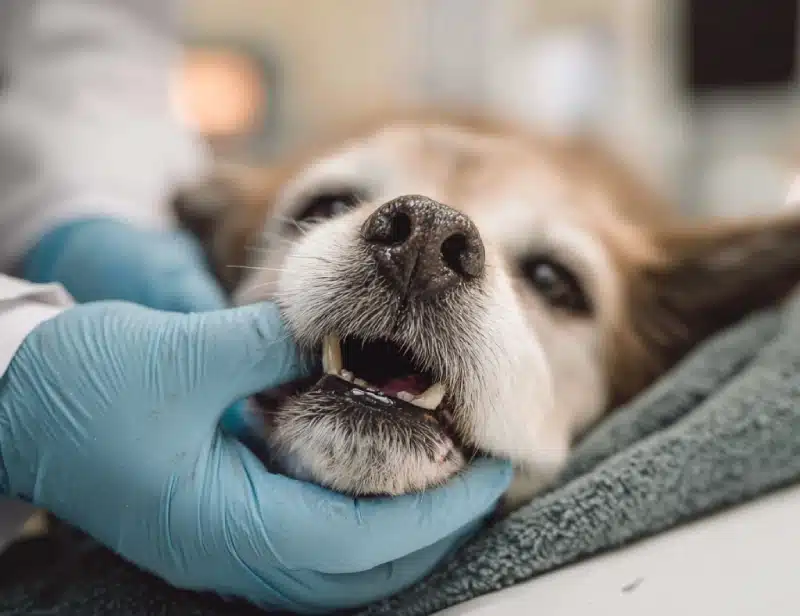
Effective pain management is a crucial part of senior dog tooth extraction recovery. Older dogs may experience more sensitivity or slower healing due to age-related changes, making it vital to address discomfort and prevent infection through appropriate medication and monitoring.
Pain Medications
After the extraction, your veterinarian will likely prescribe pain relief to keep your dog comfortable. Common options include non-steroidal anti-inflammatory drugs (NSAIDs) or mild opioids, depending on the dog’s health status and the complexity of the procedure. Never give human painkillers to dogs, as they can be toxic. Maintaining a consistent medication schedule helps ensure steady comfort and faster senior dog tooth extraction recovery.
Antibiotics
Antibiotics are often prescribed to prevent infection, especially for senior dogs with weakened immune systems. These medications protect the healing site from bacterial buildup and help reduce swelling or inflammation. Always follow your vet’s dosage instructions carefully and complete the entire course, even if your dog seems better. For additional tips on boosting your senior dog’s immune system naturally, check out Senior Dog Nutrition
Nutrition and Feeding After Surgery
Soft Foods and Hydration
After a senior dog tooth extraction, it is important to provide soft, easy-to-chew foods that do not irritate the extraction site. Wet dog food, mashed kibble, or specially formulated senior diets are ideal choices. Hydration is equally important, so ensure your dog has access to fresh water at all times. Proper nutrition supports healing and contributes to a faster senior dog tooth extraction recovery.
Supplements for Recovery
Some senior dogs may benefit from supplements that support oral health, immune function, and overall wellness. Omega-3 fatty acids, probiotics, and joint-support supplements can help improve your dog’s overall health, indirectly supporting the recovery process. For more information on overall senior dog health, see Senior Dog Health.
Home Care and Comfort
Pain Management
Managing pain is a key part of senior dog tooth extraction recovery. Your veterinarian may prescribe pain medications or anti-inflammatory drugs to keep your dog comfortable. Always follow the prescribed dosage and schedule to prevent complications. Observing your dog for signs of discomfort, such as whining, pawing at the mouth, or reluctance to eat, is essential to adjust care promptly.
Oral Hygiene at Home
Maintaining oral hygiene after extraction helps prevent future dental problems. Gently brushing your dog’s teeth, using vet-approved dental rinses, or providing dental chews can support overall oral health.
Monitoring for Complications
Careful observation is critical during recovery. Watch for signs such as persistent bleeding, swelling, excessive drooling, or reluctance to eat. If any of these occur, contact your veterinarian immediately. Consistent monitoring ensures a safer and faster senior dog tooth extraction recovery.
Comfort and Environment
Provide a quiet, comfortable space for your dog to rest. Minimize stress and avoid rough play or chewing on hard toys. Keeping your senior dog calm and relaxed supports healing and reduces the risk of complications.
Preventing Future Dental Problems
Regular Veterinary Checkups
Routine dental checkups are essential for senior dogs. Regular exams allow your veterinarian to detect early signs of tooth decay, gum disease, or other oral health issues. Proactive care reduces the likelihood of additional extractions and supports overall wellness. Maintaining consistent checkups contributes to long-term senior dog tooth extraction recovery and oral health.
Daily Oral Care at Home
Daily brushing with dog-safe toothpaste and using dental rinses or chews can help prevent plaque and tartar buildup. These habits are especially important for senior dogs, as their teeth and gums are more vulnerable.
Diet and Nutrition
Feeding your senior dog a balanced diet supports dental health and general well-being. Wet food or softened kibble can reduce stress on sensitive teeth, while treats designed to clean teeth can help prevent plaque buildup. Proper nutrition plays a key role in supporting ongoing senior dog tooth extraction recovery and preventing future complications.
Monitoring and Early Intervention
Keep an eye out for any signs of dental problems, such as bad breath, difficulty chewing, drooling, or pawing at the mouth. Early detection and intervention can prevent serious issues and ensure your senior dog remains comfortable and healthy.
Monitoring for Complications
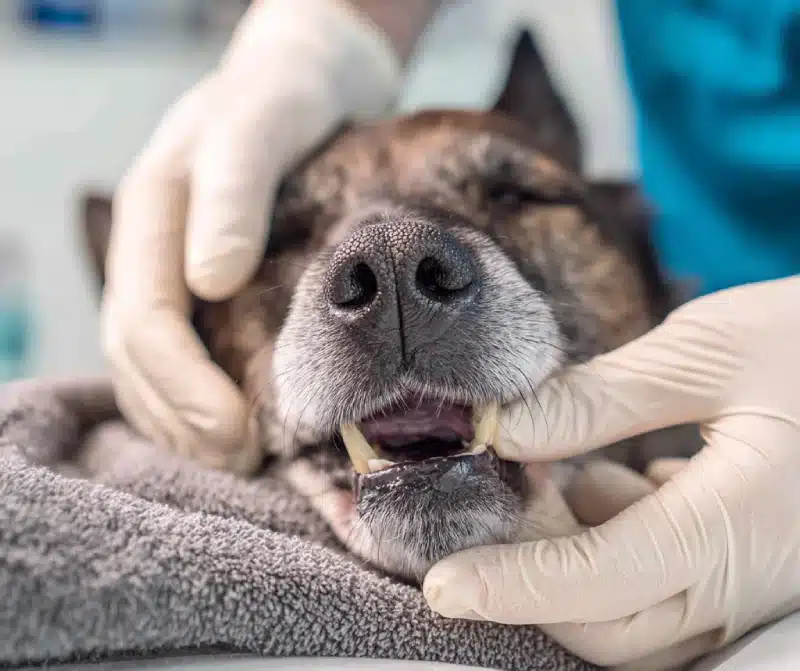
Closely monitoring your pet after surgery is one of the most important steps in senior dog tooth extraction recovery. Older dogs can be more vulnerable to infection, bleeding, or delayed healing, so observing their behavior and physical condition each day is vital. Prompt attention to any abnormal signs can make a significant difference in preventing serious issues.
Signs of Infection or Other Issues
During the healing period, check your senior dog’s mouth daily for signs of redness, swelling, or discharge. A foul odor, persistent drooling, or refusal to eat may indicate infection or pain. You might also notice pawing at the mouth or reluctance to open the jaw. If your dog’s gums appear pale, or if there’s excessive bleeding, these could be symptoms of post-extraction complications. Consistent monitoring helps ensure a smoother senior dog tooth extraction recovery process.
When to Contact Your Veterinarian
If you observe any concerning changes—such as increased swelling, loss of appetite lasting more than two days, or visible pus—contact your veterinarian immediately. Senior dogs may have weaker immune responses, so early intervention is key to avoiding setbacks. A quick check-up can confirm whether healing is on track or if further treatment is necessary.
Preventing Future Dental Problems
Long-term oral health care is a key part of ensuring that your dog’s senior dog tooth extraction recovery leads to lasting comfort and wellness. Preventing future dental issues means adopting a consistent hygiene routine, scheduling regular vet visits, and addressing age-related challenges that may affect oral care.
Maintaining Oral Health After Extraction
Once your dog has fully recovered, you can gradually reintroduce gentle oral hygiene practices. Begin with soft dental wipes or gauze to clean the gums and remaining teeth. Over time, progress to brushing with a canine toothbrush and veterinarian-approved toothpaste. Regular brushing helps prevent plaque buildup, which can lead to further extractions or gum disease.
Adding dental chews or water additives may also support oral hygiene and freshen breath. These preventive measures will significantly extend the benefits of senior dog tooth extraction recovery, ensuring your pet enjoys a pain-free mouth for years to come.
Special Challenges for Senior Dogs
Senior dogs often face unique dental care difficulties, including tooth wear, gum recession, and slower healing. Their immune systems are typically less resilient, which means infections can develop faster if proper oral care is neglected. To maintain dental health, ensure regular checkups—ideally every six months—and discuss with your vet about professional cleanings or dental X-rays to detect hidden issues early.
Alternatives to Tooth Extraction
Before proceeding with an extraction, veterinarians sometimes consider less invasive options to preserve the tooth and improve comfort—especially for senior dogs who may have slower healing or underlying health issues. Understanding these alternatives helps pet owners make informed decisions and can contribute to an easier senior dog tooth extraction recovery if extraction ultimately becomes necessary.
Vital Pulp Therapy
Vital pulp therapy is a procedure designed to maintain the tooth’s vitality after injury or early decay. This treatment involves removing only the affected pulp tissue, disinfecting the area, and sealing it with a protective material. It’s most effective when the damage is caught early and the tooth structure remains largely intact. For senior dogs, this approach can reduce trauma and promote faster healing compared to a full extraction, making post-operative care simpler. Proper monitoring and follow-ups are still essential for a successful senior dog tooth extraction recovery or alternative dental outcome.
Root Canals
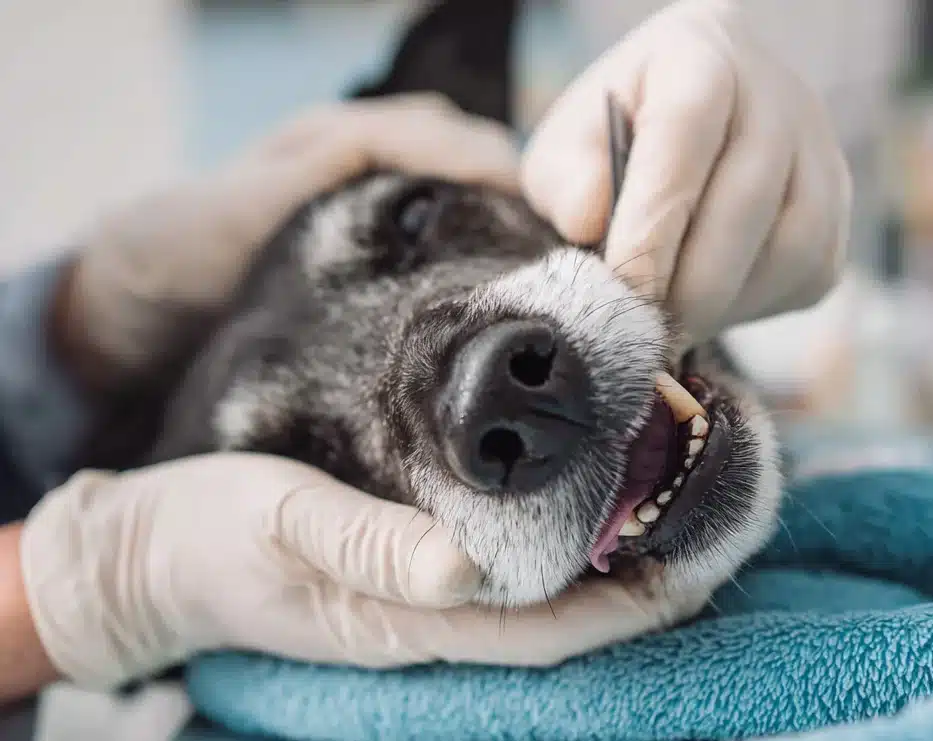
Root canal therapy is another option that allows a diseased or broken tooth to remain in place while removing the infected inner tissue. The canal is cleaned, filled, and sealed, eliminating pain and preventing further decay. Although more complex, root canals can be particularly beneficial for senior dogs with strong tooth roots and minimal gum disease. This procedure not only preserves chewing ability but also minimizes recovery time compared to extraction. After such treatments, feeding your dog a soft diet is crucial for comfort and healing — you can find great guidance in Soft Dog Food for Senior Dogs with Bad Teeth
Dog Tooth Extraction FAQs
This section answers some of the most common questions owners have about senior dog tooth extraction recovery — from healing timelines to emotional well-being and pain management. Understanding these details helps you care for your aging companion with confidence and compassion.
How Long Does It Take for a Dog to Recover from a Tooth Extraction?
For most dogs, the initial healing phase lasts between 7 and 14 days, but complete recovery may take several weeks — especially in older pets. Senior dogs often need more time for tissues to heal due to slower cell regeneration and underlying health conditions. During this period, provide soft food, ensure good hydration, and avoid letting your dog chew on hard toys.
Are Dogs Happier After Tooth Extraction?
Yes — most dogs feel happier and more energetic after recovering from a painful or infected tooth removal. Once the source of discomfort is gone, they can eat, play, and rest without pain. Many owners report noticeable improvements in appetite and mood following senior dog tooth extraction recovery. Keep monitoring your pet’s behavior; a brighter, more relaxed attitude often signals relief and improved quality of life.
How Painful Is Tooth Extraction for Dogs?
While tooth extraction is a surgical procedure, veterinarians use anesthesia and pain medication to ensure your dog remains comfortable throughout. Afterward, mild soreness or swelling is normal, but these symptoms usually fade within a few days. With proper pain management, your dog should experience minimal discomfort. It’s important to follow post-operative care instructions and medication schedules carefully to prevent complications. For general wellness guidance during the healing process, you can also check Senior Dog Health Tips
Conclusion
Caring for an older pet after dental surgery requires patience, consistency, and compassion. A successful senior dog tooth extraction recovery is about more than just healing the mouth — it’s about restoring comfort, appetite, and overall quality of life. With proper pain management, a soft diet, and attentive monitoring, most senior dogs recover remarkably well and enjoy a healthier, happier life afterward.
Veterinary follow-ups, regular oral hygiene, and a gentle care routine will help maintain the results long-term. Keep in mind that prevention is just as important as recovery — consistent dental checkups and at-home care reduce the risk of future extractions. You can learn more about dental care standards for pets from the American Veterinary Medical Association (AVMA).