
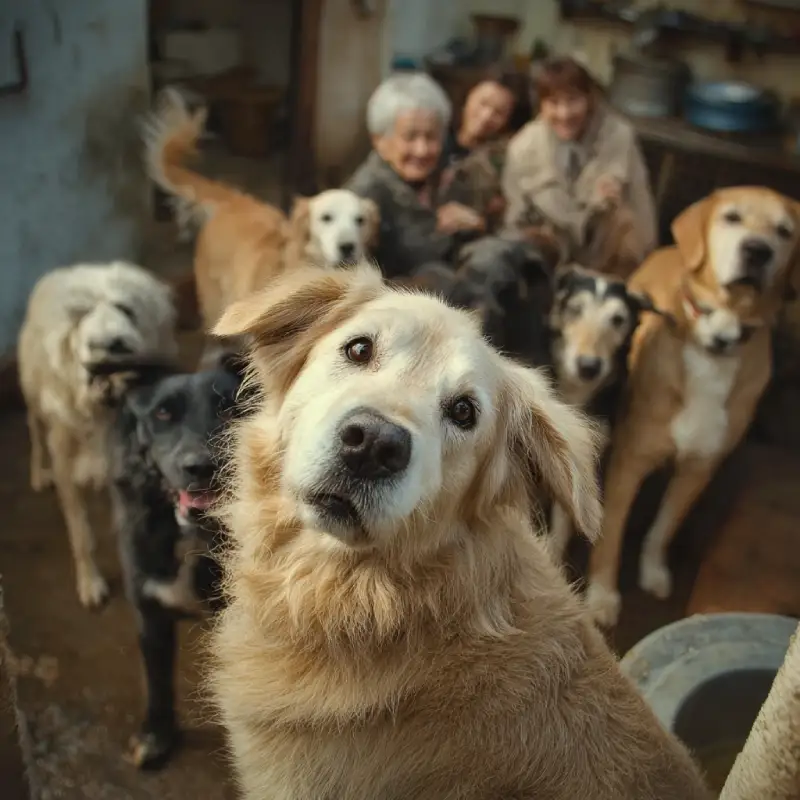
WHY SENIOR DOGS NEED RESCUE
Senior dogs often face challenges that younger dogs do not. While puppies and adult dogs usually attract attention in shelters, older dogs are often overlooked. This makes senior dog rescue essential for giving these loyal companions a second chance at life. Many potential adopters underestimate the joy and companionship that a senior dog can bring, focusing instead on the perceived difficulties of caring for an older pet.
Stereotypes About Age and the Risk of Neglect
One of the biggest barriers to adopting older dogs is the stereotype that they are “too old” to be trained or to adapt to a new home. Unfortunately, this bias contributes to neglect and longer shelter stays for senior dogs. People often assume that senior dogs are frail or have behavior problems, which is not always the case. In reality, many senior dogs are calm, well-behaved, and incredibly loving. Raising awareness about these myths is a key part of senior dog rescue efforts.
Statistics and Facts – How Many Senior Dogs Are in Shelters?
Across the United States and other countries, statistics show that senior dogs often spend more time in shelters than younger dogs. According to recent reports, older dogs make up a significant percentage of animals in long-term care, yet adoption rates for this group are disproportionately low. These numbers highlight the importance of programs dedicated specifically to senior dog rescue, which aim to find loving homes for older dogs who might otherwise be overlooked.
What “Senior” Means for Dogs – Age Differences by Breed
The term “senior dog” varies depending on the breed and size of the dog. Smaller breeds often reach their senior years around 7–8 years old, while larger breeds may be considered seniors as early as 5–6 years. Understanding these differences is crucial for anyone considering adoption, as it helps set realistic expectations for activity levels, health care, and long-term care. By recognizing what makes a dog “senior,” rescue organizations can tailor care and adoption strategies effectively, ensuring that each older dog receives the attention and love they deserve
The Amazing Benefits of Adopting a Senior Dog
Adopting a senior dog can be one of the most rewarding experiences for an owner. These dogs bring a unique set of qualities that make them excellent companions, especially for families or individuals looking for calm, loving pets.
Mature Personality and Faster Family Bonding
Unlike puppies who require extensive training and supervision, senior dogs usually have a well-established personality. They are often calm, patient, and easier to bond with. This makes senior dog rescue not only emotionally rewarding but also less stressful for new adopters who want a companion without the challenges of puppyhood.
Less Training, More Stability
Many senior dogs are already house-trained and know basic commands. They have spent years learning manners and social skills, which means adopters can enjoy companionship without long adjustment periods. This reduces the time and effort needed for training and allows the owner to focus on building a loving relationship
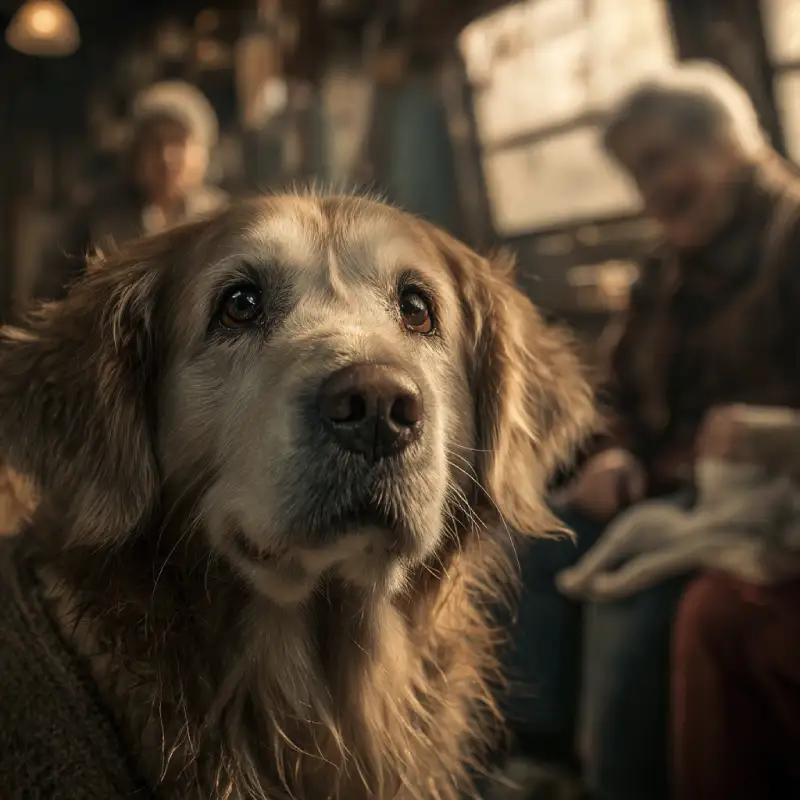
Calm Companions – Ideal for Structured Lifestyles
Senior dogs are usually less hyperactive than younger dogs, making them ideal for individuals with a structured lifestyle or limited time for high-energy activities. Their calm demeanor can be particularly comforting for elderly owners or families seeking a gentle companion.
Making a Difference – Emotional Rewards for Owners
By adopting an older dog, owners provide a second chance for a pet who might otherwise spend its final years in a shelter. The gratitude, loyalty, and affection shown by senior dogs often surpass that of younger dogs, giving adopters a deep sense of fulfillment. Participating in senior dog rescue creates a meaningful bond and contributes to the welfare of vulnerable animals
Considerations Before Adopting a Senior Dog
Before adopting an older dog, it is important to understand the responsibilities and potential challenges associated with senior care. Awareness ensures that both the dog and the owner have a positive experience.
Health and Potential Medical Issues
Older dogs may have pre-existing health conditions, such as arthritis, dental problems, or vision and hearing impairments. Prospective adopters should be prepared for possible veterinary care and understand how these conditions may affect daily life. Knowledge and patience are key to providing a senior dog with comfort and happiness.
Long-Term Care and Costs
Although senior dogs generally require less training, their medical care and dietary needs may be more expensive than younger dogs. Potential owners should budget for regular vet check-ups, special food, supplements, and possible medications. Investing in proper care ensures a longer, healthier life for the dog.
Physical and Environmental Limitations
Senior dogs may struggle with stairs, slippery floors, or long walks. Owners should consider adapting their home to accommodate these needs, such as using ramps, non-slip mats, or shorter, frequent walks. Understanding these limitations is essential for a smooth transition and maintaining the dog’s quality of life.
Adjustment – New Home, Past Experiences, How to Support Transition
Many senior dogs have experienced trauma, abandonment, or multiple homes. Patience and gradual introduction to their new environment can help them adjust. Creating a consistent routine, offering gentle encouragement, and providing a quiet space can reduce stress and make the transition easier
Caring for a Senior Dog at Home
Bringing a senior dog into your home is a deeply rewarding experience, but it requires special attention to ensure their comfort, health, and happiness. Older dogs have different physical and emotional needs than younger pets, and understanding these requirements is crucial for a successful transition. Senior dog rescue is not just about saving a life—it is about providing a loving environment that supports the dog through its golden years. By focusing on nutrition, exercise, medical care, comfort, and mental stimulation, owners can help senior dogs thrive and enjoy a fulfilling life.
Nutrition – Special Diets for Older Dogs
Nutrition plays a critical role in maintaining a senior dog’s health. Older dogs often have slower metabolism, dental problems, or sensitive digestive systems. Feeding them a balanced diet with high-quality proteins, limited fat, and added supplements for joint health can make a significant difference. Many senior dog rescue organizations recommend switching to specially formulated senior dog food, which is easier to digest and helps manage weight and mobility issues.
For more guidance on maintaining senior dog health, see Grooming and Health Tips for Senior Dogs.
Exercise and Appropriate Activity Levels
Although older dogs may have less energy than younger dogs, daily exercise is still essential to maintain their physical and mental health. Short, frequent walks, gentle play, and low-impact activities like swimming or soft fetch can keep joints flexible and muscles strong. Over-exertion can lead to injury, so it’s important to tailor activity levels to the dog’s age, breed, and physical condition. Consistent routines not only improve health but also reduce anxiety and help senior dogs feel secure in their new home.
Health and Regular Check-Ups
Routine veterinary visits are vital for senior dogs. Older dogs are more prone to conditions such as arthritis, heart disease, kidney issues, and dental problems. Early detection and treatment of these conditions can dramatically improve quality of life. Vaccinations, parasite prevention, and regular screenings are recommended.
Learn more about caring for senior dogs with medical concerns here: Senior Dog Losing Weight but Eating? 5 Proven Ways to Help.
Comfort and Home Environment Adaptations
Creating a comfortable home environment is essential for senior dogs. Soft bedding, non-slip floors, ramps for stairs, and easy access to food and water can significantly improve their daily life. Senior dogs often appreciate quiet spaces where they can rest without being disturbed. Adjusting the home environment reduces stress and prevents injuries, making the dog feel safe and loved. Senior dog rescue programs often provide guidance to adopters on how to set up these environments to ensure the dog’s well-being. Learn more about adopting older dogs here: Senior Dog Adoption Tips and Resources.
Behavior and Mental Stimulation
Mental stimulation is as important as physical care for senior dogs. Puzzle toys, gentle training sessions, and interactive play help keep their minds active and prevent boredom or cognitive decline. Older dogs may also benefit from social interaction with other pets or people, depending on their personality and past experiences. Understanding each dog’s temperament is key to providing the right type of enrichment. Offering a loving, stimulating environment ensures that a senior dog not only survives but thrives in its new home.
- Managing Hearing or Vision Loss: Some senior dogs experience sensory decline. Using verbal cues along with hand signals, maintaining consistent routines, and providing safe pathways can help them navigate their surroundings confidently.
- Games and Mental Activities for Senior Dogs: Activities like scent games, short training sessions, and gentle fetch stimulate the mind, reduce anxiety, and enhance the bond between the dog and the owner.
How to Find a Senior Dog for Adoption or Foster Care
Finding a senior dog to adopt or foster is an incredibly rewarding process. Whether you are looking for a lifelong companion or want to provide temporary care, there are numerous ways to connect with older dogs who need loving homes. Senior dog rescue programs across the country work tirelessly to save dogs from shelters, often giving them their last chance for a happy life. Understanding where to look and what to expect can make the adoption or foster experience much smoother.
Searching Shelters and Rescue Organizations
Many senior dogs are waiting in local shelters or specialized rescue organizations. Visiting these facilities in person can help you meet the dogs and understand their personalities. Websites and online databases also list senior dogs available for adoption, making it easier to filter by age, size, or special needs. Some organizations focus solely on senior dog rescue, ensuring that older dogs receive the attention, medical care, and socialization they need while waiting for their forever home. These programs are dedicated to placing senior dogs in suitable environments, increasing their chances of a successful adoption.
Alternatives: Temporary Foster Care or Volunteering
If adoption is not immediately possible, fostering a senior dog is an excellent way to provide temporary care. Foster homes give older dogs a safe, loving environment and reduce the stress of shelter life. Volunteers who foster senior dogs contribute significantly to senior dog rescue efforts, as they provide essential support to shelters and help dogs adjust to a home environment before adoption. Fostering also allows prospective adopters to understand the dog’s temperament, medical needs, and behavior, which can help ensure a permanent match in the future.
Questions to Ask – Adoption Checklist
Before committing to adoption or fostering, it’s important to ask the right questions. Key considerations include the dog’s health history, dietary needs, activity level, past experiences, and any behavioral concerns. Understanding these factors ensures that you are prepared for the responsibilities of caring for a senior dog. Many rescue organizations provide detailed profiles and guidance for new owners, helping them make informed decisions. By doing your research, you contribute to the mission of senior dog rescue and help ensure that every older dog is placed in a suitable and loving home.
Inspirational Success Stories
Hearing stories of senior dogs who have found new homes can be incredibly motivating. Many older dogs go from living in a shelter or rescue facility to thriving in a family environment, showing that age is never a barrier to love or companionship. These success stories highlight the importance of senior dog rescue initiatives and encourage more people to consider adopting or fostering an older dog. Every senior dog deserves a second chance, and real-life examples demonstrate the transformative impact that a loving home can provide.
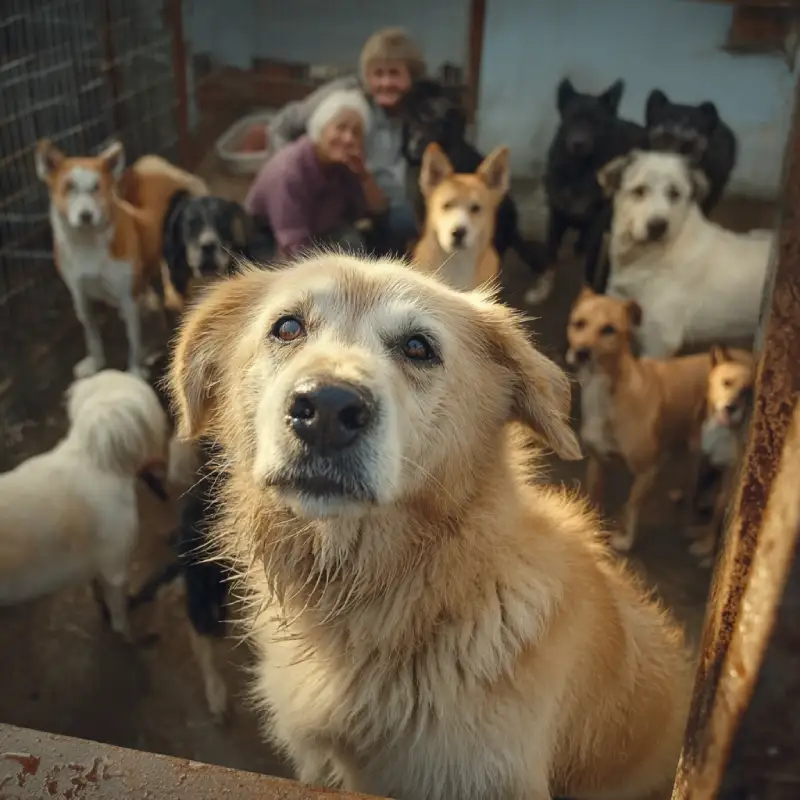
Challenges in Senior Dog Rescue and How to Overcome Them
While senior dog rescue brings joy and meaning to countless lives, it also comes with unique challenges that require patience, compassion, and education. Older dogs often face issues that younger animals do not — from medical costs and emotional trauma to low adoption interest. Understanding these challenges allows both individuals and rescue organizations to find practical ways to overcome them and improve the future for senior dogs everywhere.
Medical Costs and Ongoing Care
One of the main difficulties in senior dog rescue is the cost of medical care. Senior dogs frequently require more frequent veterinary visits, special medications, and diagnostic tests to monitor age-related conditions such as arthritis, heart disease, or kidney problems. These expenses can deter potential adopters who fear they might not afford ongoing treatments.
To counter this, many senior dog rescue organizations offer support programs that subsidize medical care or provide access to low-cost veterinary services. Others create “forever foster” programs, where the organization continues to cover medical expenses while the dog lives with a loving family. These initiatives make it easier for adopters to say “yes” to an older dog and reduce the burden of unexpected costs.
Emotional Trauma and Behavioral Adjustment
Senior dogs often arrive at shelters after losing their lifelong owners or being abandoned. This sudden change can cause deep emotional distress. Some may show signs of anxiety, depression, or withdrawal due to grief or confusion. Building trust with a traumatized senior dog takes time, consistency, and gentle handling.
Rescue workers and foster families play a crucial role here: creating a predictable environment, using positive reinforcement, and allowing the dog to adapt at its own pace. Successful senior dog rescue programs often provide behavioral support and training sessions for both dogs and adopters. These efforts help senior dogs regain confidence, rebuild trust, and open their hearts to love again.
The Adoption Gap – Why Senior Dogs Are Overlooked
Despite their gentle nature and loyalty, senior dogs are often passed over for younger pets. Many people believe that adopting an older dog means less time together or higher veterinary costs. This perception creates an “adoption gap,” leaving senior dogs waiting much longer for homes.
Education is the key to closing this gap. By promoting success stories, showcasing the calm and affectionate traits of senior dogs, and highlighting the advantages of adopting them, rescue organizations can change public perception. Some groups even host special events — like “Adopt a Senior Dog Month” — to raise awareness and celebrate the beauty of giving an older pet a new beginning.
Limited Foster Networks and Shelter Space
Many shelters struggle with limited space, and senior dogs often require more time to find homes. This can create capacity issues, as senior dogs might occupy kennels for months. Expanding foster networks is one of the best solutions to this problem. Fosters provide a bridge between the shelter and permanent adoption, helping the dogs heal emotionally and physically.
Encouraging volunteers, educating communities, and offering incentives for fostering senior dogs are effective ways to strengthen the foster system. The more people involved, the greater the impact — allowing senior dog rescue efforts to reach more lives and reduce shelter overcrowding.
Awareness and Public Education
A large part of the challenge lies in awareness. Many people simply don’t know how many senior dogs are waiting for homes or how easy it can be to care for them. Rescue organizations need to invest in storytelling, digital outreach, and partnerships with local media to promote adoption campaigns.
Community events, social media stories, and educational videos that show the gentle, loving nature of senior dogs can inspire people to take action. The more the public learns, the more lives can be saved — proving that old age is not a limitation but a stage filled with warmth, wisdom, and unconditional love
Future Outlook: Improving Senior Dog Rescue
The future of senior dog rescue depends on collaboration, innovation, and compassion. As awareness grows, more individuals, organizations, and communities are beginning to understand the emotional depth and value that senior dogs bring to families. However, to ensure long-term progress, we must focus on education, community support, and improved healthcare access for older dogs. The goal is to create a world where no senior dog is left behind simply because of its age.
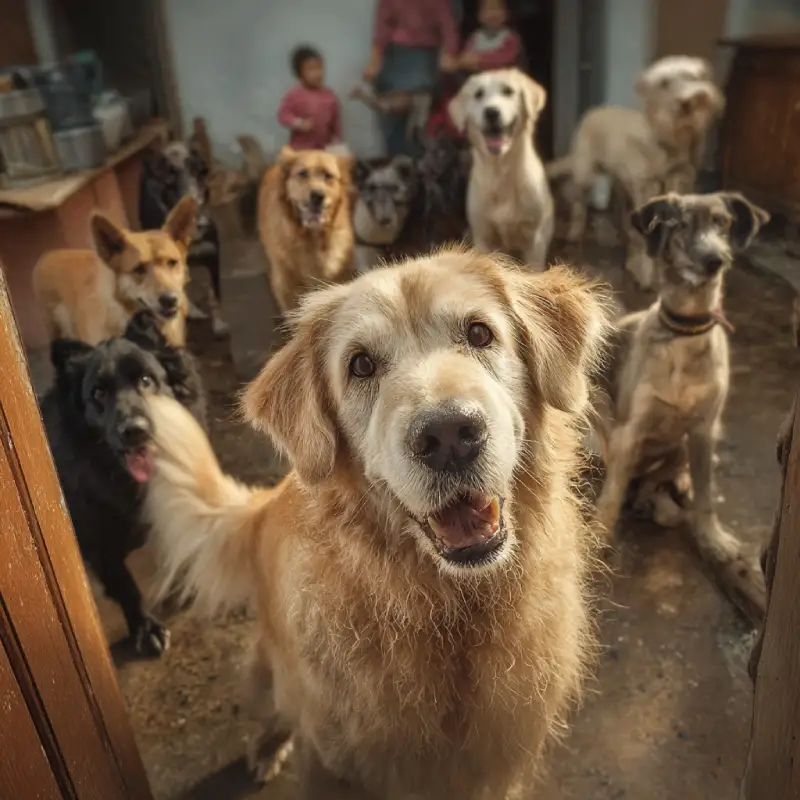
Increasing Awareness and Changing Perceptions
Changing public perception is one of the most important steps toward a better future for senior dogs. Many people still associate older dogs with sickness or sadness, but in reality, senior dogs have so much love and stability to offer. By sharing stories of successful adoptions, happy endings, and the powerful bond between people and their older pets, rescue organizations can inspire empathy and interest.
The use of social media, video storytelling, and influencer partnerships can significantly amplify the message.
Building Stronger Partnerships Between Shelters and Communities
A bright future for senior dogs relies on cooperation. Shelters, veterinarians, volunteers, and local businesses must work together to create networks of support. Community-based adoption events, educational seminars, and fundraising activities can help raise money and awareness for senior dog programs.
Corporate sponsorships and partnerships with pet food companies or veterinary clinics can also make a significant difference. When local communities unite, they can offer better care, quicker adoptions, and more resources for older dogs. This interconnected approach strengthens the entire senior dog rescue ecosystem, ensuring that each dog receives the best chance for comfort and stability.
Innovation and Technology in Senior Dog Rescue
Technology is transforming animal rescue. Online databases, adoption apps, and social media campaigns make it easier than ever to connect senior dogs with suitable adopters. Virtual meet-and-greet sessions and video adoption profiles allow families to interact with senior dogs remotely, reducing travel barriers and increasing adoption rates.
In addition, medical technology continues to advance, offering better diagnostics and treatment options for age-related conditions. Telemedicine for pets is another growing trend, giving owners access to expert advice without frequent in-person visits. By integrating these innovations, senior dog rescue organizations can reach broader audiences and provide improved care for senior dogs.
Education for Future Generations
Long-term change starts with education. Teaching children and young adults about compassion, animal welfare, and the importance of adopting older pets helps create more empathetic future generations. School programs, youth volunteering opportunities, and educational campaigns can shape a culture where adopting senior dogs is celebrated, not avoided.
When young people learn to value all stages of a dog’s life, the stigma around aging pets begins to fade. The result is a society that sees senior dogs not as a burden but as wise, loyal companions deserving of love and respect.
Expanding Global Efforts and Policy Support
While progress has been made, there’s still much to be done on a global scale. Many countries lack specific initiatives for senior animals, and shelters may not have the resources to provide adequate care. International collaboration, grants, and animal welfare legislation could strengthen global senior dog rescue efforts.
Advocating for senior pet-friendly housing policies, travel support, and tax incentives for adopters are all ways to make adoption more accessible. With the right infrastructure, senior dog rescue can evolve from a niche effort into a recognized, well-supported humanitarian mission
Frequently Asked Questions About Senior Dog Rescue
What is a senior dog rescue?
A senior dog rescue is an organization or initiative dedicated to saving, caring for, and rehoming older dogs that have been abandoned, surrendered, or left in shelters. These rescues focus on giving dogs in their later years a second chance at love and comfort. They provide medical care, rehabilitation, and foster or adoption opportunities tailored to senior dogs’ unique needs. Unlike general shelters, senior dog rescues specialize in understanding age-related challenges and matching dogs with compassionate homes that can meet their needs
What age is considered “senior” for a dog?
The definition of a “senior dog” varies depending on breed and size. Smaller breeds often become seniors around 8–9 years old, while larger breeds may be considered seniors at 5–6 years. Factors like genetics, lifestyle, and diet also influence how quickly a dog ages. Most senior dog rescue organizations categorize dogs based on these differences to ensure that their care and adoption plans are age-appropriate
Are senior dogs harder to care for?
Not necessarily. While senior dogs may require more frequent vet visits or special diets, they are often calmer, better trained, and easier to live with than young puppies. Many adopters find that older dogs fit perfectly into a stable, relaxed home environment. With proper nutrition, gentle exercise, and regular health monitoring, senior dogs can live joyful and fulfilling lives. Senior dog rescue programs often provide guidance and resources to make the transition easier for both the dog and the adopter.
Why should I adopt a senior dog instead of a puppy?
Adopting a senior dog is a deeply rewarding experience. Senior dogs are typically house-trained, gentle, and appreciative of human love. They bond quickly and bring stability and peace to a household. By adopting a senior dog, you’re not only gaining a loyal companion—you’re also saving a life that might otherwise be overlooked. Puppies often get adopted quickly, but senior dogs wait much longer, making your choice an act of compassion and kindness.
How long can senior dogs live after adoption?
The lifespan of a senior dog depends on its breed, health, and level of care. Many senior dogs live several happy years after adoption, especially when provided with proper nutrition, medical care, and emotional support. Some adopters report their senior dogs regaining energy and vitality once they experience love and security again. The comfort of a warm bed, gentle affection, and a sense of belonging can do wonders for an older dog’s longevity.
Can I foster a senior dog if I can’t adopt permanently?
Absolutely. Fostering is one of the most impactful ways to help in senior dog rescue. Foster families provide a safe, loving environment while rescue organizations handle medical and adoption logistics. This arrangement helps shelters free up space and gives older dogs a chance to heal, socialize, and prepare for a forever home. Even a short-term foster commitment can transform a senior dog’s life.
How can I support senior dog rescues if I can’t foster or adopt?
There are many ways to help! You can donate to senior dog rescue organizations, sponsor a specific dog’s medical care, volunteer at shelters, or spread awareness on social media. Many rescues also need help with transportation, events, and fundraising. Every action—big or small—contributes to giving senior dogs the comfort and love they deserve in their final years.
Conclusion – A Call to Action
Every senior dog deserves love, safety, and dignity. By adopting, fostering, or supporting senior dog rescue, you give older dogs a second chance at a happy life. Their gray muzzles and slower steps are reminders of the loyalty and love they bring.
Opening your home and heart transforms their lives — and yours.For more information on senior dog care and adoption, visit the ASPCA Senior Dog Resources.