
Introduction
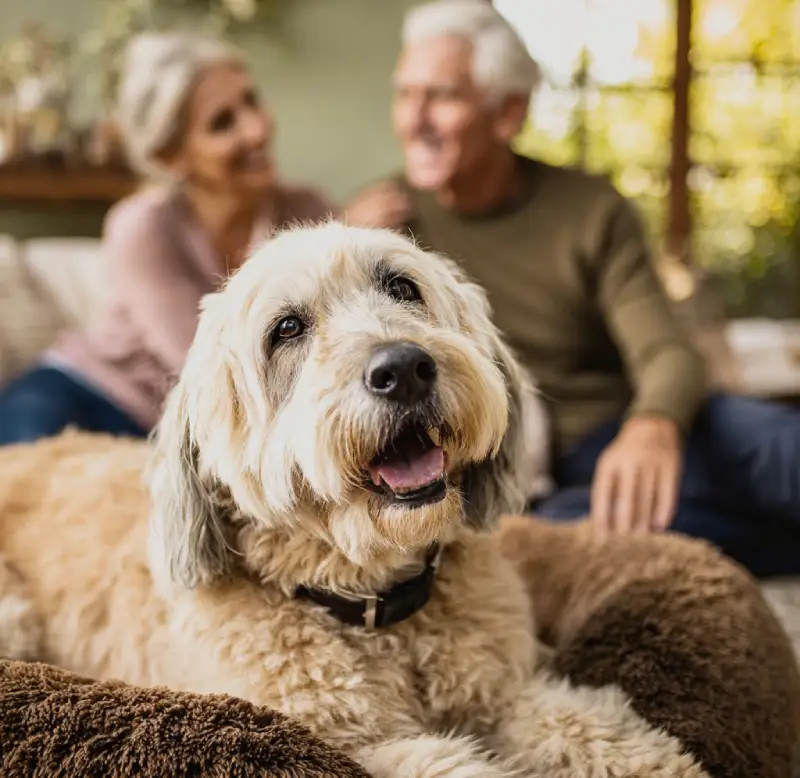
Senior Dog Adoptions are more than just an act of kindness—they’re a chance to transform two lives at once: yours and your dog’s. While many people overlook older dogs in favor of puppies, adopting a senior companion offers unique rewards that younger pets simply can’t match. From their calm, grateful nature to their readiness to settle into a loving home, senior dogs bring a kind of loyalty and peace that warms every corner of your life.
In this ultimate guide to Senior Dog Adoptions, you’ll learn everything you need to know—from how to choose the right dog and prepare your home to understanding their medical, nutritional, and emotional needs. Whether you’re adopting for the first time or opening your heart once more, this guide will help you make informed, compassionate choices that ensure your senior dog enjoys a healthy, joyful, and comfortable life.
By the end, you’ll see why Senior Dog Adoptions aren’t about rescuing the forgotten—they’re about celebrating the wise, loyal, and endlessly loving souls who deserve a second chance at happiness.
Why Adopt a Senior Dog?
The Hidden Joys of Adopting Older Dogs
When people think of adopting a dog, their minds often go straight to puppies — full of energy and mischief. But the truth is, older dogs offer a calm, steady, and deeply fulfilling companionship that’s hard to match. Most senior dogs are already house-trained, know basic commands, and have learned how to behave around people. Their mellow temperament makes them ideal for families with a slower lifestyle, individuals working from home, or retirees seeking gentle company. Unlike young pups that demand endless attention and patience, older dogs bring peace and a quiet kind of joy — a soft presence that fills the home with warmth and comfort.
Common Myths About Senior Dog Adoption
Despite their many virtues, senior dog adoptions are often overlooked because of stubborn myths. One common misconception is that older dogs can’t bond with new owners. In reality, dogs are incredibly adaptable — and many seniors form deep emotional attachments quickly, especially when shown consistent love and care. Another myth claims that senior dogs don’t live long enough to make adoption “worth it.” Yet, with modern veterinary care, balanced nutrition, and a stable home, many senior dogs live happily for years after adoption. The love you give them during this time is returned tenfold, in gratitude and unwavering loyalty.
The Emotional and Social Impact of Senior Dog Adoption
Every senior dog adoption is a small miracle — a story of hope, second chances, and healing. Adopters often describe a sense of emotional fulfillment unlike anything they’ve experienced before. The look of trust that appears in a senior dog’s eyes after being welcomed into a new home is profoundly moving. For many families, the act of adopting an older dog becomes a shared mission of compassion, teaching children empathy and the value of giving back. On a larger scale, these adoptions also ease the burden on shelters, freeing up space and resources for other animals in need. In every way, adopting a senior dog changes two lives — theirs and yours.
When Is a Dog Considered a Senior?
Understanding Age by Breed and Size
Not all dogs age at the same rate, and what counts as “senior” can vary widely depending on breed and size. Generally, small breeds like Chihuahuas or Dachshunds are considered seniors around 7–10 years old, while medium to large breeds such as Labradors, Golden Retrievers, or German Shepherds often reach senior status around 6–8 years. Giant breeds like Great Danes may be seniors as early as 5–6 years. Knowing your dog’s breed-specific aging patterns helps set realistic expectations for their energy levels, health needs, and lifespan, ensuring you can provide the best care possible during their golden years.
Physical and Behavioral Signs of Aging
As dogs grow older, subtle and sometimes obvious changes appear in both their body and behavior. Physically, you may notice slower movement, stiffer joints, graying fur, and reduced stamina. Their senses — sight, hearing, and smell — may decline gradually, which can impact how they interact with their environment. Behaviorally, senior dogs might sleep more, seek extra comfort, or display anxiety in new situations. Recognizing these signs early allows you to adjust your home, exercise routine, and veterinary care to support a happy, healthy life.
The Pre-Adoption Checklist
Adopting a senior dog is a rewarding experience, but preparation is key. Following a clear checklist ensures both you and your new companion enjoy a smooth transition into their golden years.
Questions to Ask Before Adopting
Before bringing a senior dog home, it’s crucial to gather as much information as possible from shelters or rescue organizations. Some essential questions include:
- What is the dog’s medical history, including vaccinations, surgeries, and chronic conditions?
- How does the dog behave around children, other pets, or strangers?
- Are there any behavioral challenges such as anxiety, aggression, or separation issues?
- What type of previous environment did the dog live in (house, apartment, foster, etc.)?
Matching Your Lifestyle with a Senior Dog
Not every senior dog fits every household. Consider your daily routine, activity level, and the type of companionship you want. A high-energy senior dog may thrive with an active family, while a calmer, low-energy senior dog is better suited for quiet homes or retirees. Matching your lifestyle with your dog’s energy, temperament, and special needs ensures a harmonious home environment and increases the chances of a successful adoption.
Budgeting for a Senior Dog’s Care
Senior dog adoptions come with unique financial considerations. Older dogs often need regular veterinary checkups, specialized diets, and occasional medications or supplements for chronic conditions like arthritis or dental issues. On average, you might expect to spend:
- $200–$500 yearly for routine vet care and vaccinations
- $300–$600 for premium senior dog food and supplements
- $100–$300 for bedding, ramps, or other home adjustments
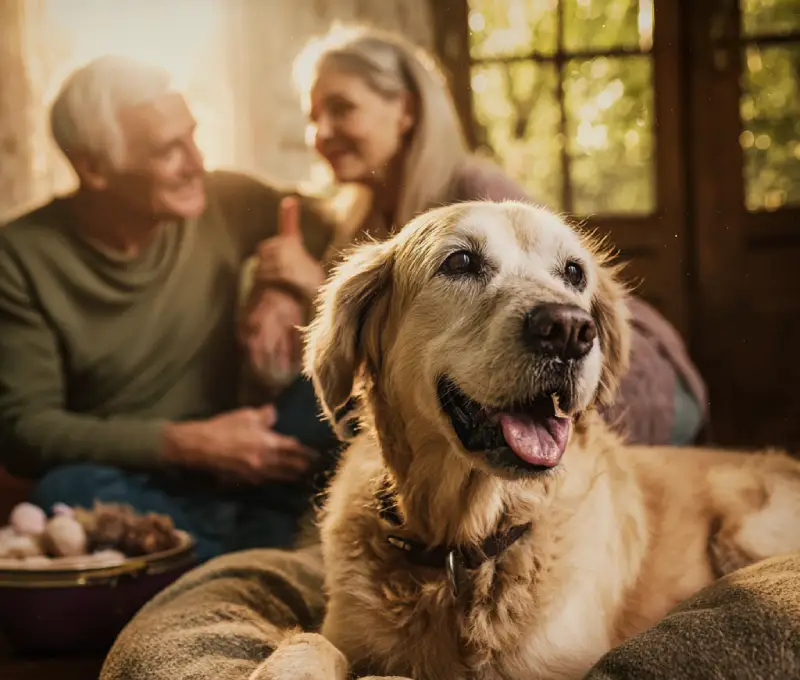
Planning your budget ahead of time reduces stress and ensures your senior dog receives the care they deserve.
The First Weeks After Adoption – A Step-by-Step Transition Plan
Bringing a senior dog home is exciting, but the first few weeks are crucial for setting the foundation of a happy, trusting relationship. By following a clear plan, you ensure your senior dog adjusts smoothly while reducing stress for both of you. Careful attention during this period makes senior dog adoptions successful, helping your new companion feel safe, comfortable, and loved. Establishing routines, gentle guidance, and patience during these early weeks enhances the bond formed through senior dog adoptions. With the right approach, senior dog adoptions can be a deeply rewarding experience for both you and your senior dog.
The First 24 Hours
The initial day after adoption is all about calm and reassurance. Create a quiet space where your dog can rest undisturbed, away from loud noises or too many visitors. Avoid overwhelming them with too much attention or new experiences. Provide their food and water in a consistent spot, introduce the bed or crate gently, and let them explore their new home at their own pace. Setting up this supportive environment is especially important during senior dog adoptions, as older dogs may take extra time to adjust. A calm, predictable start helps establish trust, comfort, and confidence, making senior dog adoptions a smoother, more positive experience. By prioritizing patience and gentle guidance, senior dog adoptions can lead to a lifelong, loving bond.
Days 2–14: Building Trust
During the first two weeks, the focus shifts to routine and gentle familiarity. Slowly introduce your senior dog to daily life:
- Maintain a consistent feeding and potty schedule.
- Gradually adjust their diet if needed, following advice from your vet.
- Begin short, gentle walks or light play sessions to encourage confidence.
- Offer positive reinforcement for calm behavior and exploration.
At this stage, patience is key. Avoid forcing interactions and allow your senior dog to approach family members or other pets on their terms.
Weeks 3–12: Establishing Comfort and Connection
By now, your dog should start feeling more secure in their new home. The “3-3-3 rule” is a useful guideline:
- 3 days: Time to decompress from the shelter or previous home.
- 3 weeks: Learning the household routine and becoming familiar with family dynamics.
- 3 months: Fully feeling at home, showing trust, and forming bonds with family members.
During this period, continue positive reinforcement, introduce mild training if necessary, and monitor their comfort levels.
Sample Timeline and Daily Routine
Here’s a practical weekly outline for the first three months:
- Week 1: Quiet space, limited exposure, short walks, monitoring stress signals.
- Week 2: Gradually increase interaction, introduce light play, maintain consistent feeding.
- Week 3–4: Reinforce household rules, monitor behavior with children or other pets.
- Week 5–12: Build trust through gentle training, maintain routines, and reward calm confidence.
By following this structured approach, senior dog adoptions can be a smooth, rewarding experience, helping your new companion feel safe, loved, and valued from day one.
Senior Dog Health and Veterinary Care
Ensuring proper health care is one of the most important aspects of senior dog adoptions. Older dogs have unique medical needs, and staying proactive can greatly improve their quality of life.
Essential Health Screenings
Routine veterinary visits are critical for senior dogs. Regular physical exams, dental checkups, and blood tests help detect potential issues before they become serious. Senior dogs should ideally see a vet at least twice a year. Early detection of conditions like arthritis, kidney problems, or heart disease allows for timely treatment and management.
Common Age-Related Conditions
Older dogs are prone to several age-related health concerns. Some of the most common include:
- Arthritis: Stiff joints and reduced mobility; often managed with gentle exercise, joint supplements, or prescribed medications.
- Dental disease: Plaque and gum issues can affect appetite and overall health. Regular brushing and dental cleanings are essential.
- Diabetes and kidney issues: Monitor water intake, urination, and energy levels; specialized diets may help.
- Heart problems: Older dogs may develop murmurs or heart disease, requiring vet supervision and medications.
Understanding these conditions helps you provide preventive care and maintain your dog’s quality of life throughout their senior years.
Supplements and Medications
Many senior dogs benefit from joint supplements, vitamins, or pain management medications. Common options include glucosamine, omega-3 fatty acids, and anti-inflammatory treatments. Always consult your veterinarian before introducing supplements, as some may interact with medications or underlying health issues. Using the right combination of nutrition, exercise, and supplements can make a noticeable difference in comfort and mobility.
For more detailed guidance on supplements specifically for senior dogs, check out Senior Dog Supplements
End-of-Life and Compassionate Care
One of the hardest parts of senior dog ownership is knowing when their quality of life is declining. Watch for signs such as loss of appetite, difficulty moving, or increased anxiety. Compassionate end-of-life care may include pain management, home adjustments, or, when necessary, humane euthanasia. Planning ahead, talking with your vet, and cherishing their final moments can provide dignity for your dog and comfort for your family.
Senior Dog Nutrition and Feeding Guide
Proper nutrition is a cornerstone of a senior dog’s health and wellbeing. As dogs age, their digestive systems, metabolism, and energy requirements change. Paying attention to their diet can improve longevity, mobility, and overall quality of life, making senior dog adoptions even more rewarding.
Transitioning to a Senior Diet
When switching your dog to a snior-specific diet, it’s important to transition gradually over 7–10 days. Start by mixing a small portion of the new food with their current diet, gradually increasing the new food while decreasing the old. This helps prevent digestive upset, including diarrhea or vomiting, and allows your dog’s digestive system to adapt comfortably.
Nutritional Requirements for Older Dogs
Senior dogs require a careful balance of nutrients:
- Protein: Maintain lean muscle mass, but avoid excessive protein if there are kidney concerns.
- Fiber: Supports healthy digestion and weight management.
- Fat: Adjust fat intake to maintain a healthy weight without overloading calories.
- Calories: Senior dogs often need fewer calories due to reduced activity, but individual needs vary.
By meeting these nutritional needs, you support a healthier, more energetic senior companion.
Homemade Meal Ideas and Vet-Approved Treats
Many owners enjoy preparing simple, nutritious meals for their senior dogs. Soft, easily digestible recipes made from lean meats, cooked vegetables, and whole grains can supplement or replace commercial food, helping support a smooth transition during senior dog adoptions. Always consult your vet before making major diet changes to ensure your dog’s health needs are met. Vet-approved treats, including freeze-dried options or small healthy bites, provide rewards without compromising nutrition, making senior dog adoptions easier and more enjoyable for both pets and owners. By focusing on proper diet and treats, senior dog adoptions can help older dogs thrive in their new home.
Managing Special Dietary Needs
Some senior dogs have unique dietary requirements due to obesity, allergies, or chronic health conditions. Specialized diets, including prescription foods or tailored home-prepared meals, can address these needs. For example, dogs with kidney issues may require lower protein levels, while overweight dogs benefit from high-fiber, low-calorie diets.
For owners looking for convenient options, check out Best Wet Food for Senior Dogs
Exercise, Comfort, and Home Adjustments
Providing the right combination of exercise, comfort, and mental stimulation is essential for the well-being of senior dogs. Thoughtful care in these areas helps maintain mobility, prevents boredom, and ensures a happy, healthy life after senior dog adoptions.
Safe Exercise for Older Dogs
Older dogs still need physical activity, but it should be low-impact to protect aging joints. Gentle walks, swimming, or short play sessions are ideal for maintaining muscle tone and cardiovascular health. Avoid strenuous exercise that could strain joints or cause injury. Even light daily activity improves mood, reduces anxiety, and strengthens the bond between you and your new companion, making senior dog adoptions a smooth and positive experience. Incorporating safe exercise routines ensures that senior dog adoptions result in happy, healthy, and well-adjusted pets. By prioritizing activity and enrichment, senior dog adoptions can truly enhance both your life and your dog’s golden years.
Making Your Home Senior-Friendly
Adjusting your home for a senior dog ensures safety and comfort. Simple modifications like adding ramps, orthopedic beds, and non-slip rugs can make a big difference in mobility and reduce the risk of falls. Keep food, water, and favorite resting areas easily accessible, and provide cozy, quiet spaces where your senior dog can relax undisturbed. These changes create a supportive environment that encourages independence and reduces stress.
Mental Stimulation and Enrichment
Mental exercise is just as important as physical activity for older dogs. Brain games, scent puzzles, and gentle training exercises keep their minds sharp, combat boredom, and reduce anxiety. Social interactions, whether with family members or other calm pets, also contribute to emotional well-being. After senior dog adoptions, prioritizing both mental and physical enrichment helps your new companion adjust, thrive, and enjoy their golden years to the fullest.
Senior Dog Behavior and Training
Understanding your senior dog’s behavior is key to a successful adoption. Older dogs may have habits or fears formed over a lifetime, and knowing what to expect helps you guide them gently into their new home after senior dog adoptions.
What to Expect Behaviorally
Senior dogs may show signs of adjustment issues, fear, confusion, or separation anxiety during the first few weeks in a new home. These behaviors are often temporary as your dog acclimates to their surroundings. Recognizing what is normal versus what may require professional help ensures you respond appropriately without adding stress.
Positive Reinforcement Techniques
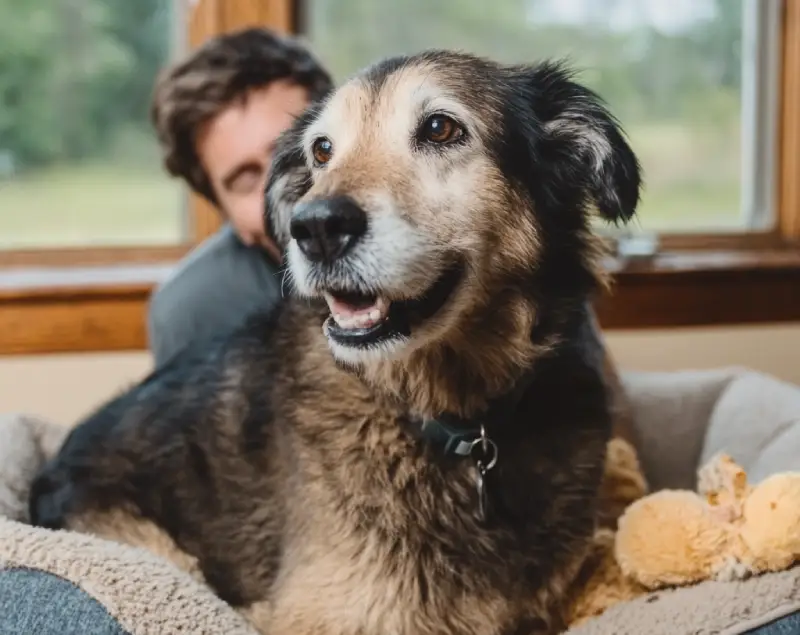
Using reward-based training is highly effective for older dogs. Gentle encouragement, treats, and praise can refresh manners, reduce anxiety, and reinforce positive behaviors. For dogs adjusting to a new home, such techniques are particularly helpful during senior dog adoptions, as they help build trust and confidence. If your dog struggles with nervousness or anxiety, consider checking this comprehensive guide on senior dog anxiety for practical strategies and tips. By pairing rewards with patience, you help your senior dog feel safe while learning or relearning routines.
Building Trust and Confidence
Trust is the foundation of any relationship with a senior dog. Consistent routines, calm tones, and patient guidance allow your dog to feel secure in their new environment. Over time, your senior dog will grow more confident, more relaxed, and more affectionate. These small daily efforts make senior dog adoptions a deeply rewarding experience for both you and your new companion.
Financial Planning and Support Resources
Planning financially for a senior dog is an important part of a successful adoption. Being prepared ensures that your new companion receives the care they need without unexpected stress or hardship after senior dog adoptions.
Typical Annual Expenses
Senior dogs often require more medical attention than younger dogs. Typical yearly costs may include:
- Medical care: Routine vet visits, vaccinations, blood work, dental cleanings, and medications for chronic conditions.
- Special diets: Senior or prescription foods tailored to health needs.
- Emergency funds: Unexpected injuries or sudden illnesses can occur and should be budgeted for.
On average, you might expect to spend $1,000–$2,000 per year, though costs vary depending on the dog’s health and size. Planning ahead allows you to provide top-quality care without compromising your budget.
Financial Assistance Programs
Several organizations help offset the costs of caring for older pets. Charities, non-profit rescues, and some veterinary clinics offer grants, subsidies, or sliding-scale fees, making senior dog adoptions more accessible. Additionally, pet insurance for senior dogs can cover medical emergencies or ongoing treatments, ensuring that senior dog adoptions remain financially manageable. Exploring these options ahead of time helps you provide consistent care and makes senior dog adoptions a sustainable and rewarding experience for both you and your new companion.
Smart Saving Tips for Senior Dog Owners
Preventive care is often the most cost-effective strategy. Regular checkups, proper nutrition, and exercise can prevent or reduce the severity of age-related illnesses. Buying supplements, beds, and other necessary items in bulk or during sales can also reduce expenses. With careful planning, senior dog adoptions become financially manageable while ensuring your dog lives a comfortable, healthy life.
Real Stories and Case Studies
Hearing about the experiences of other adopters can inspire and guide you. Real stories highlight both the challenges and joys of welcoming a senior dog into your home, reinforcing why senior dog adoptions are such a meaningful choice.
Heartwarming Adoption Journeys
Across the country, countless families have discovered the unique joy of adopting older dogs. From a retired service dog finding a quiet, loving home to a senior rescue overcoming anxiety and thriving with gentle care, these stories show how impactful a second chance can be. Many adopters describe a deep, immediate bond that forms as their new companions settle in, proving that love knows no age.
Lessons Learned from Adopting Senior Dogs
Owners often share valuable insights that can help future adopters. Common lessons include:
- Patience is essential during the first weeks.
- Understanding their unique health needs prevents surprises.
- Small daily routines and gentle encouragement build trust quickly.
Despite any initial challenges, almost every owner emphasizes that the rewards — loyalty, affection, and shared joy — far outweigh the effort. Senior dog adoptions teach compassion, empathy, and the profound satisfaction of giving an older dog a loving home.
Shelter Perspectives
Shelters and rescues also offer valuable insight into the adoption process. Staff note that senior dogs are often overlooked, but with thoughtful placement, senior dog adoptions can result in truly thriving pets. They emphasize careful matching based on temperament, lifestyle, and household environment to ensure a successful transition. Their perspective highlights that senior dog adoptions are not just about rescue—it’s about creating lasting connections that benefit both dogs and families alike, making every adoption a meaningful experience.
Where to Find Senior Dogs for Adoption
Knowing where to look is crucial when considering senior dog adoptions. Older dogs may be overlooked in shelters, so it’s important to explore multiple avenues to find the perfect companion.
Local Shelters and Rescue Networks
Start by visiting local animal shelters and rescue organizations. Many shelters have programs specifically for senior dogs or can guide you toward foster-based rescues. Contact staff to inquire about available senior dogs, ask for temperament assessments, and request to meet dogs that fit your lifestyle. Building a relationship with your local shelter can also give you first access to dogs needing permanent homes.
Online Adoption Platforms
Several websites and databases focus on senior dog adoptions, allowing you to search by breed, size, and location. Platforms like Petfinder, Adopt-a-Pet, and breed-specific rescue websites often list older dogs who need loving homes. Online platforms can expand your reach, making it easier to connect with dogs beyond your immediate area and increasing the chances of finding a great match.
Questions to Ask Before Bringing Them Home
Before finalizing an adoption, it’s essential to have a checklist of questions ready:
- What is the dog’s medical history?
- How does the dog behave with children, other pets, or strangers?
- Are there any behavioral issues or anxieties to be aware of?
- What type of home environment is best for this dog?
Having clear answers ensures a smooth transition and a successful adoption. By carefully considering these factors, senior dog adoptions become a joyful and lasting experience for both the dog and their new family.
Senior Dog Adoption FAQs
Adopting an older dog raises many questions. Understanding what to expect can make senior dog adoptions a smoother, more rewarding experience.
Is Adopting a Senior Dog Worth It?
Absolutely. While some people hesitate because of age, senior dogs offer emotional depth, loyalty, and gratitude that younger dogs may take years to develop. They often require less training, already have established habits, and provide calm companionship. Many adopters find the bond they form with a senior dog to be deeply fulfilling and life-changing.
How Long Do Senior Dogs Live After Adoption?
Longevity varies depending on breed, health, and prior care. Many senior dogs live several happy years after adoption, especially with proper veterinary care, nutrition, and a stable environment. Regular checkups, preventive care, and attention to their changing needs can significantly enhance their quality of life.
How Can I Cope with Losing a Senior Dog?
Losing a senior dog can be emotionally challenging. Allow yourself to grieve, celebrate their life, and cherish the memories you created together. Support groups, journaling, and talking with fellow adopters can help process grief. Remember, providing a loving home for a senior dog gives them a fulfilling final chapter, which is profoundly rewarding.
What Are the Best Resources for Senior Dog Care?
There are many trusted resources to support senior dog adoptions and ongoing care. Recommended sources include websites like TheSeniorDogs.com, books on senior dog health and behavior, and online communities where adopters share tips, advice, and experiences. These resources help ensure your senior companion thrives in their new home.
Conclusion: Embracing the Joy of Senior Dog Adoptions
Bringing a senior dog into your home is more than just adoption—it’s giving a second chance to a loyal companion while enriching your own life. Senior dog adoptions provide unmatched rewards: calmer, loving pets, established behavior, and the opportunity to make a meaningful difference in an older dog’s golden years.
While senior dog adoptions may come with unique considerations—health care, dietary needs, or gentle training—the love and gratitude these dogs offer far outweigh any challenges. By preparing your home, understanding their behavioral and medical needs, and providing consistent care, you ensure a smooth transition and a joyful, fulfilling companionship.
For additional guidance on adopting and caring for senior dogs, visit The Humane Society’s senior dog adoption page for practical tips and expert advice.
Adopting a senior dog is not just an act of kindness—it’s a life-changing experience that benefits both you and your new furry family member. Every senior dog deserves a loving home, and with the right preparation, your adoption journey can be as rewarding as it is unforgettable.